Would you like to switch to the accessible version of this site?

Go to accessible site Close modal window

Don't need the accessible version of this site?

Hide the accessibility button Close modal window
Accessibility View Close toolbar
Round dog and cat logo

Anderson

Veterinary Clinic

USA

800-462-8749

Open mobile navigation
  • Home
  • New Patient Center
    • Online Forms
    • What to Expect
    • Veterinary Resources
    • Payment Options
    • Pet Wellness Program
  • About Us
    • Services
    • Meet our team
  • Memorials
    • Submit Your Pet Memorial
  • Petsimonials
  • Contact Us
  • Appointment Request
  • Pet Selector
  • Blog
  • Veterinary Topics
    • Pet Health
      • Chronic Conditions
      • Digestive and Oral Health
      • Diseases and Viruses
      • Pests and Parasites
      • Orthopedics
    • Today's Veterinarian
    • Choosing Your Pet
      • Finding Your Pet
      • Cats
      • Dogs
      • Horses
      • Exotics
        • Amphibians
        • Birds
        • Reptiles
          • Lizards
          • Turtles
      • Small Mammals
        • Ferrets
        • Rabbits
        • Domesticated Animals
          • Prairie Dogs
        • Pocket Pets
          • Chinchillas
          • Guinea Pigs
          • Hamsters
          • Hedgehogs
          • Rats
      • Livestock
        • Cows
        • Donkeys, Horses & Mules
        • Goats
        • Pigs
        • Poultry
        • Sheep
    • Living With Your Pet
      • Bringing Your Pet Home
      • Children and Pets
      • Providing Care
      • Travel
      • Saying Goodbye
    • Newsletter Library
      • Cats
      • Tips for Pet Owners
      • Behavior & Training
      • Fleas & Parasites
      • Keeping Pets Healthy
      • Equine
      • Recognizing Illness
      • Nutrition & Food
      • Pet Dangers
      • Seasonal Topics
      • Visiting the Vet
      • Newsletter Archive
        • Fun with Pets
        • Unbelievable Pets
    • Video Newsroom
      • Health Topics
      • Technology and Science
      • Other Interests
    • Newsletter Library
    • Client Survey
    • Pets4Kids
    • Equine
  • Home >
  • Articles >
  • Feline >
  • Pet Health >
  • Digestive and Oral Health >
  • Gastrointestinal Issues

Gastrointestinal Issues

  • Created in Feline, Pet Health, Digestive and Oral Health
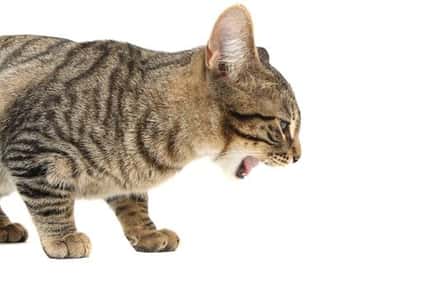
image of cat coughing up hairball.

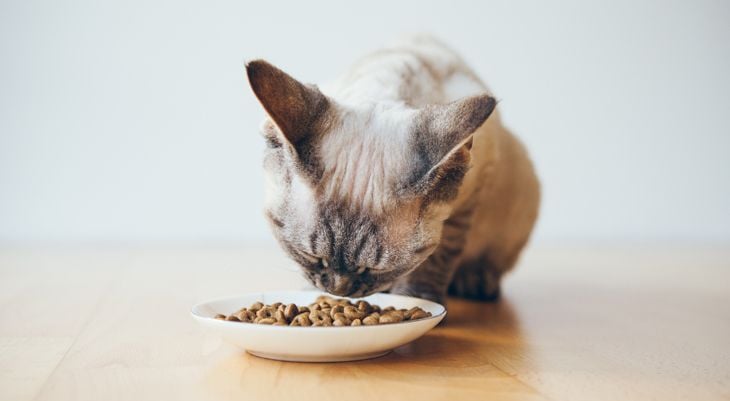
cat eating
Cats generally face the same gastrointestinal problems that humans or other animals do. If your cat has frequent diarrhea or episodes of vomiting, or other gastrointestinal (GI) issues, make an appointment with your feline veterinarian immediately. Here are a few common GI problems many cats face.

Inflammatory Bowel Disease

Feline Inflammatory Bowel Disease (IBD) is the name for a group of chronic GI problems characterized by inflammatory cells invading the cat’s GI tract. This thickens the GI walls, interfering with the intestine’s proper functioning. Middle-aged and senior cats are most likely to fall victim to IBD.

Causes of IBD vary, but may include food allergies, bacterial infections or parasitic infections, or may be a side effect of another disease. In many cases, the cause is never uncovered.

Symptoms of IBD include:

  • Lethargy
  • Changes in appetite
  • Vomiting
  • Weight loss
  • Diarrhea
  • Accelerated hairball production

Given that these symptoms may indicate other problems, diagnosis is tricky. Your vet may narrow down the causes by ordering fecal exams, radiographs, blood work, ultrasounds and hypoallergenic food trials. A gastric or intestinal biopsy is necessary to definitively diagnose a cat with IBD. Treatment generally requires a change of diet coupled with medications.

Vomiting

Occasional vomiting is normal for cats. Vomiting in conjunction with a hairball is actually beneficial; cats need to expel hairballs to avoid intestinal blockages. However, frequent episodes—more than once per week—are cause for concern.

Other reasons cats vomit include:

  • Ingesting common poisons, such as antifreeze or certain plants
  • Eating spoiled cat food
  • Swallowing other items they should not, such as string or paperclips
  • Parasite infestation
  • IBD
  • Metabolic diseases, including kidney disease or diabetes
  • Growths in the GI tract

Your vet will want to thoroughly examine your cat to deduce the cause of vomiting. To treat the symptom, he or she might recommend administering subcutaneous fluids, changing your cat’s diet to a bland one and/or giving your cat anti-emetic drugs.

Diarrhea

Diarrhea can result from a temporary stomach upset or could indicate one of many underlying problems. The cause could be as benign as a sudden change in diet or a stressful car ride. In adult cats, infectious, inflammatory and neoplastic disorders may all cause diarrhea.

If the cat is otherwise acting normal and the diarrhea only lasts a day or two, owners probably do not need to worry. If the symptom continues longer than two days, you should seek veterinary care.

Constipation

Cats often experience constipation. Causes include injury, insufficient drinking water, bad food, intestinal tumors, infections and bad reactions to medicine. Cats defecate, on average, one to three times per day. If you notice your cat has failed to produce for more than a day or two, consult your veterinarian. This is especially important if your cat is straining, expelling blood through his or her anus or crying in pain. Sometimes litter box straining is due to a urinary tract obstruction, not constipation. This life-threatening condition requires immediate veterinary intervention.

Idiopathic Megacolon

Idiopathic megacolon manifests as chronic and severe constipation. In the disease’s early stages, cats benefit from increasing the fiber in their diet, and taking stool softeners, laxatives and colon-stimulating drugs. In the more advanced stages, the cat requires frequent enemas or other methods of feces removal. In the end stage, the cat no longer responds to medical interventions, and hardened feces accumulate in the colon. At this point, one option is euthanasia. However, many cats respond well to a surgery called a subtotal colectomy. This procedure removes most of the colon and usually enables the patient to form stools again and live a fairly normal life.

Gastrointestinal Parasites of Cats

As many as 45 percent of cats harbor gastrointestinal parasites. These include roundworms, tapeworms, hookworms, Giardia and other wormlike or one-celled organisms. Symptoms include coughing, bloody feces, vomiting, loss of appetite, a pot-bellied look and dull fur. Some parasites can also be passed to humans.

Depending on the parasite, your vet may administer various de-wormers or other medications. The best policy is to prevent parasites before they attack your cat by keeping the litter box clean, not feeding your cat raw meat and controlling rodents, ticks and fleas.

Feline Pancreatitis

The pancreas is a long piece of tissue that rests near your cat’s left kidney. It is crucial for hormone production and for the digestion of food. Inflammation of this organ is called pancreatitis. This life-threatening condition requires immediate veterinary intervention. Causes are unknown.

The disease may come on acutely. If the cat survives, he or she may recover, but later chronically suffer from recurring, less severe bouts. The veterinarian may use tests to rule out other conditions. The only definitive way to prove pancreatitis involves a surgical biopsy, which may be too invasive for a sick and debilitated cat.

Are you worried about your cat’s GI issues? Call us today to schedule an appointment. We will diagnose and treat your cat, setting him or her on the path back to health.

  • Pet Health
    • Chronic Conditions
    • Digestive and Oral Health
    • Diseases and Viruses
    • Pests and Parasites
    • Orthopedics
  • Today's Veterinarian
  • Choosing Your Pet
    • Finding Your Pet
    • Cats
    • Dogs
    • Horses
    • Exotics
      • Amphibians
      • Birds
      • Reptiles
        • Lizards
        • Turtles
    • Small Mammals
      • Ferrets
      • Rabbits
      • Domesticated Animals
        • Prairie Dogs
      • Pocket Pets
        • Chinchillas
        • Guinea Pigs
        • Hamsters
        • Hedgehogs
        • Rats
    • Livestock
      • Cows
      • Donkeys, Horses & Mules
      • Goats
      • Pigs
      • Poultry
      • Sheep
  • Living With Your Pet
    • Bringing Your Pet Home
    • Children and Pets
    • Providing Care
    • Travel
    • Saying Goodbye
  • Newsletter Library
    • Cats
    • Tips for Pet Owners
    • Behavior & Training
    • Fleas & Parasites
    • Keeping Pets Healthy
    • Equine
    • Recognizing Illness
    • Nutrition & Food
    • Pet Dangers
    • Seasonal Topics
    • Visiting the Vet
    • Newsletter Archive
      • Fun with Pets
      • Unbelievable Pets
  • Video Newsroom
    • Health Topics
    • Technology and Science
    • Other Interests
  • Newsletter Library
  • Client Survey
  • Pets4Kids
  • Equine

New patients receive 15% OFF first visit.

Office Hours

Monday:

9:00 AM-5:00 PM

Tuesday:

9:00 AM-5:00 PM

Wednesday:

9:00 AM-5:00 PM

Thursday:

9:00 AM-5:00 PM

Friday:

9:00 AM-5:00 PM

Saturday:

Closed

Sunday:

Closed

Location

Testimonials

  • "Dr. Anderson has always gone above and beyond for the care of our family's pets for several years."
    John Doe / San Diego, CA

Featured Articles

  • March Newsletter: How to Keep Your Cat Safe When Outdoors

    Wondering how your cat can safely spend time outdoors? ...

    Read More
  • March Newsletter: How to Choose Safe Blankets for Pets

    Do you know how to pick a safe blanket for your pet? ...

    Read More
  • March Newsletter: Should Horses Get Vaccinated Seasonally?

    Is it the right time to vaccinate your horse? ...

    Read More
  • February Newsletter: How to Reduce Dental Anxiety in Pets

    Does your pet hate toothbrushing? These tips could reduce dental anxiety. ...

    Read More
  • February Newsletter: How to Safely Change Your Cat’s Food

    Buying a new food for your cat? Find out how to switch foods safely. ...

    Read More
  • February Newsletter: Why Gradual Introduction to Grass Matters for Horses

    Find out why slower is better when it comes to introducing your horse to grass. ...

    Read More
  • January Newsletter: How a Veterinarian Can Help Your Horse with Digestive Issues

    Feeling frustrated by your horse's digestive problems? Find out how your veterinarian can help. ...

    Read More
  • January Newsletter: Signs Your Pet Needs a Wellness Exam

    Does your pet need a wellness exam? ...

    Read More
  • January Newsletter: How Your Veterinarian Can Help If Your Pet Ingests Something Toxic

    Has your pet eaten something it shouldn't have? Find out how your vet can help. ...

    Read More
  • December Newsletter: Toxic Plants Every Horse Owner Should Know

    Do you know which plants are toxic for your horse? ...

    Read More

Newsletter Sign Up

  • Copyright © 2026 MH Sub I, LLC dba iMatrix.
  • Admin Log In
  • Site Map